
Lesson Day:
Plan to arrive 10-15 minutes early. A child who is rushed into lessons will be anxious, especially at the beginning. Give them plenty of time to get ready and observe other lessons before theirs begins.
Children should be accompanied by an adult for their lesson. While not required, the adult may be asked to join the student in the water. This partnership can help a child become adjusted to the water with the support of a known caregiver.
All students must use the bathroom prior to their lesson. Lessons cannot be extended to make up time spent out of the water.
Showering/changing:
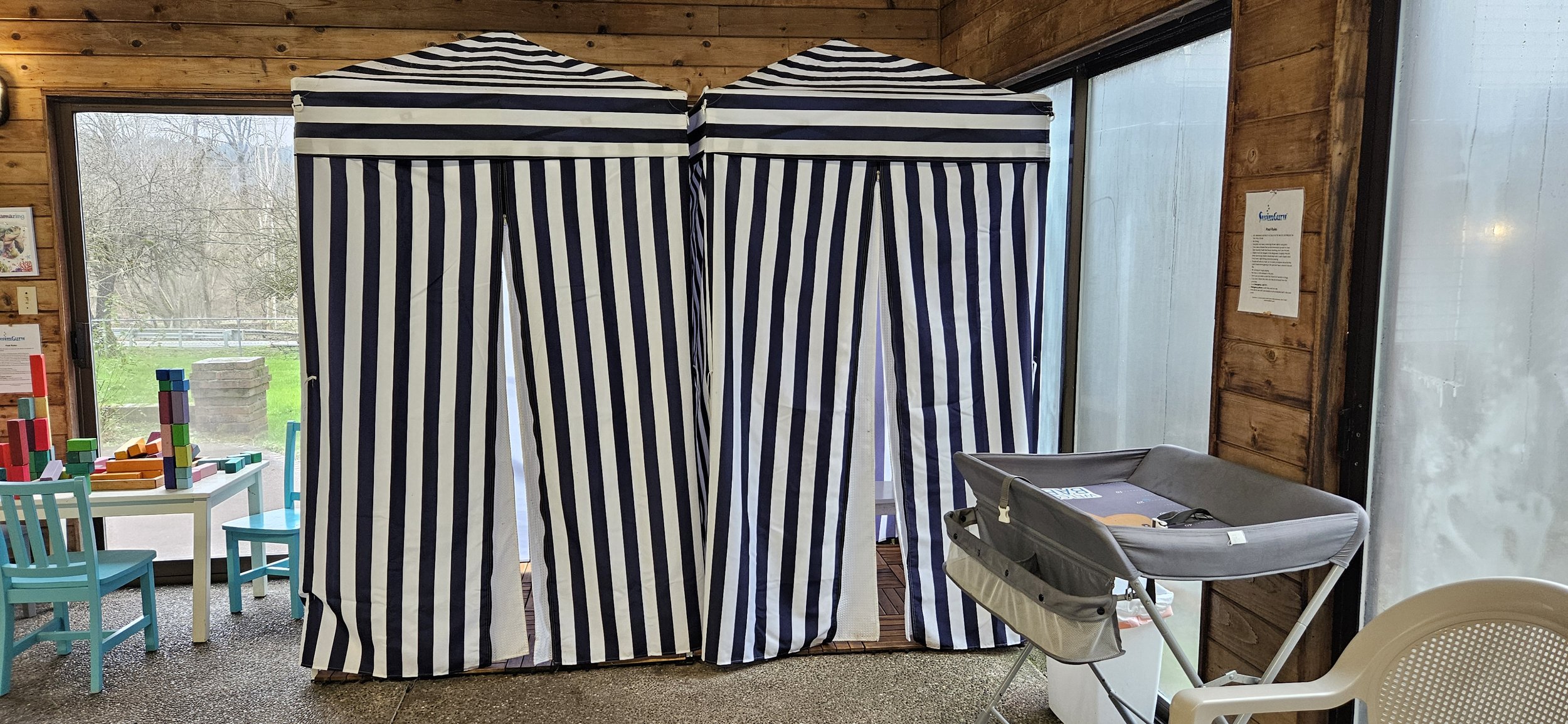
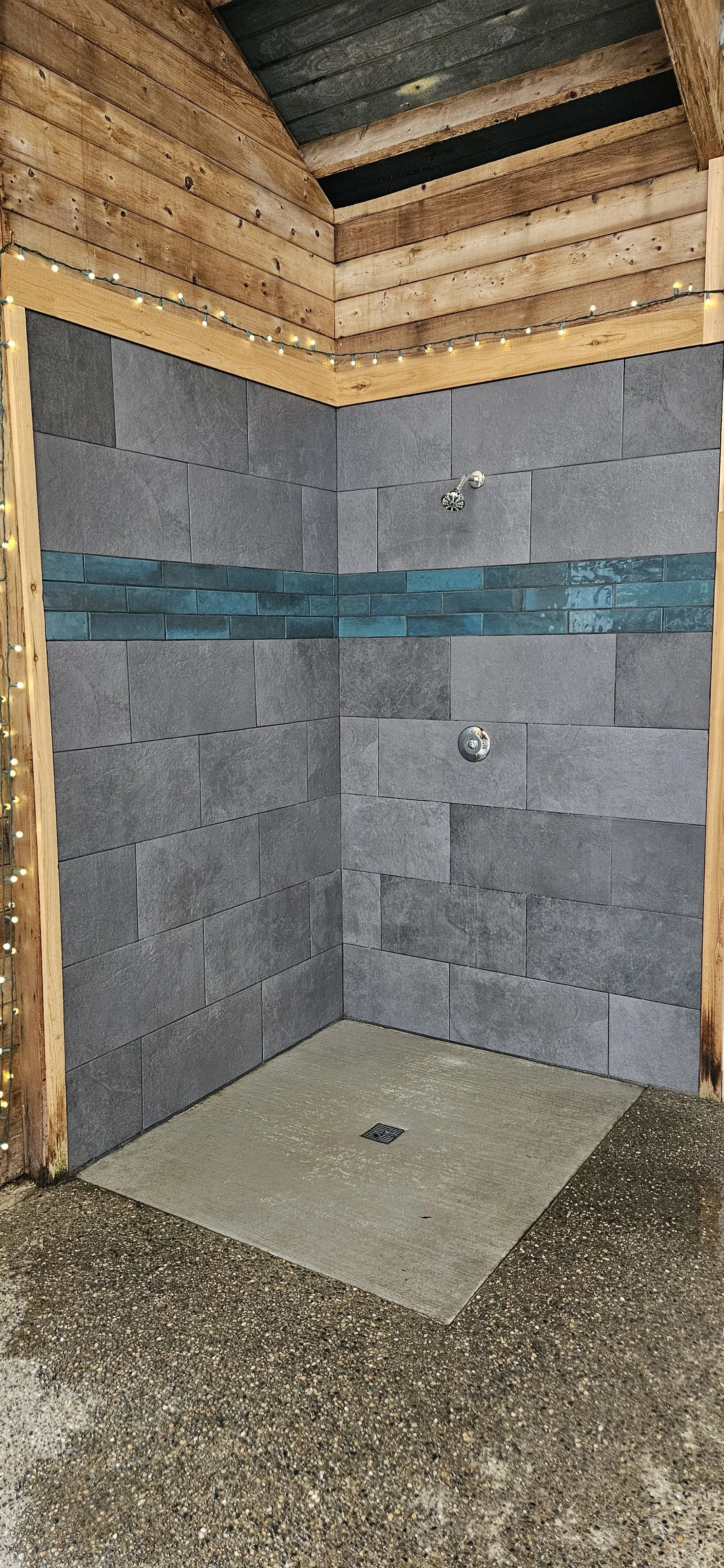
There are changing tents on the pool decks of all locations. Showers are available on the pool deck at the LA Fitness and Fall City locations.
Students are not allowed to use the locker rooms for showering or changing.
The bathroom at Fall City is next to the carport.
Attire:
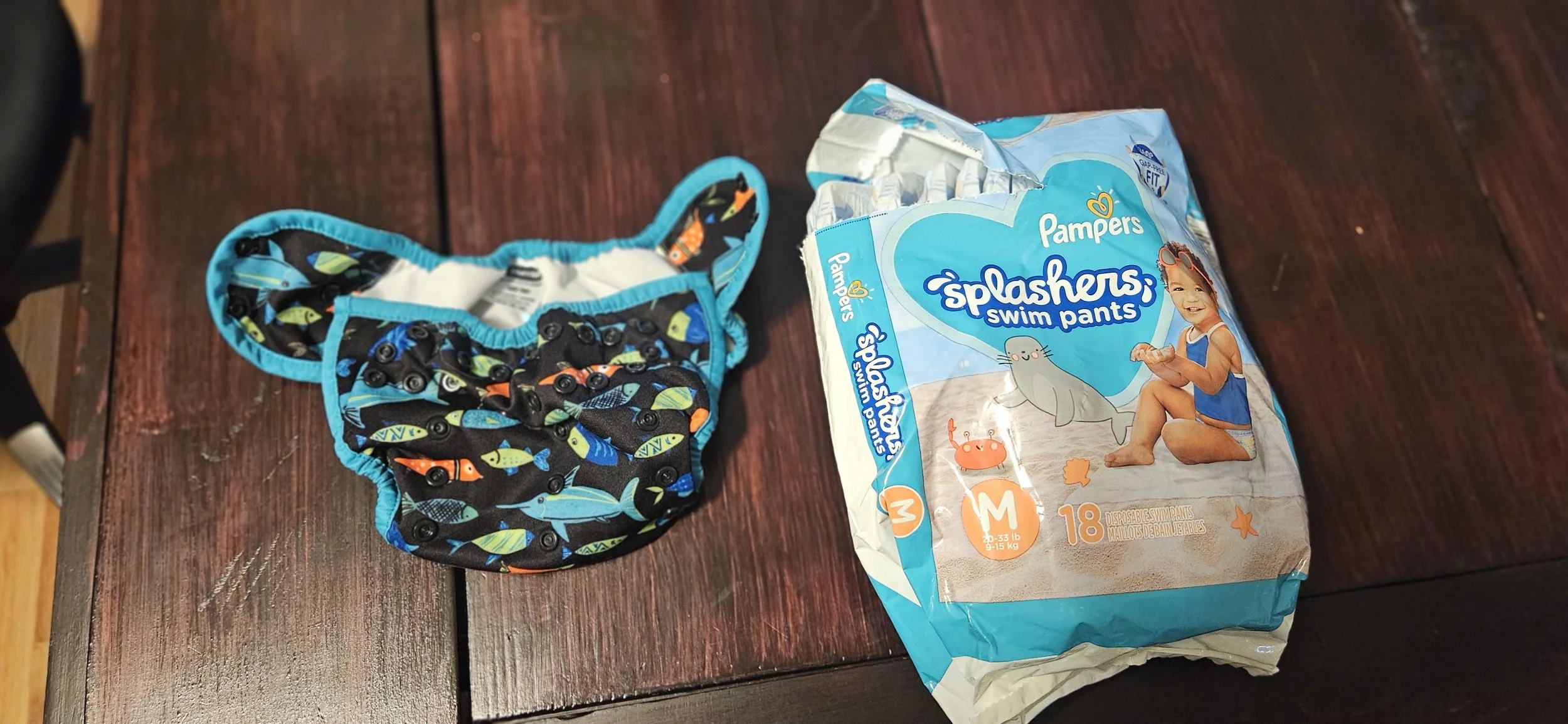
Children who are not potty trained must wear a snugly-fitting disposable swim diaper covered by a snugly-fitting reusable swim diaper or plastic pants with elastic waist and legs. This double system of protection helps ensure any accidents are contained. Do not use a regular diaper! This will just absorb the pool water and not contain a bowel movement. If there are loose feces in the pool it must be shut down for cleaning and a fee will be incurred.
Swim suit: each child must wear a swim suit that fits and will not come off on accident.
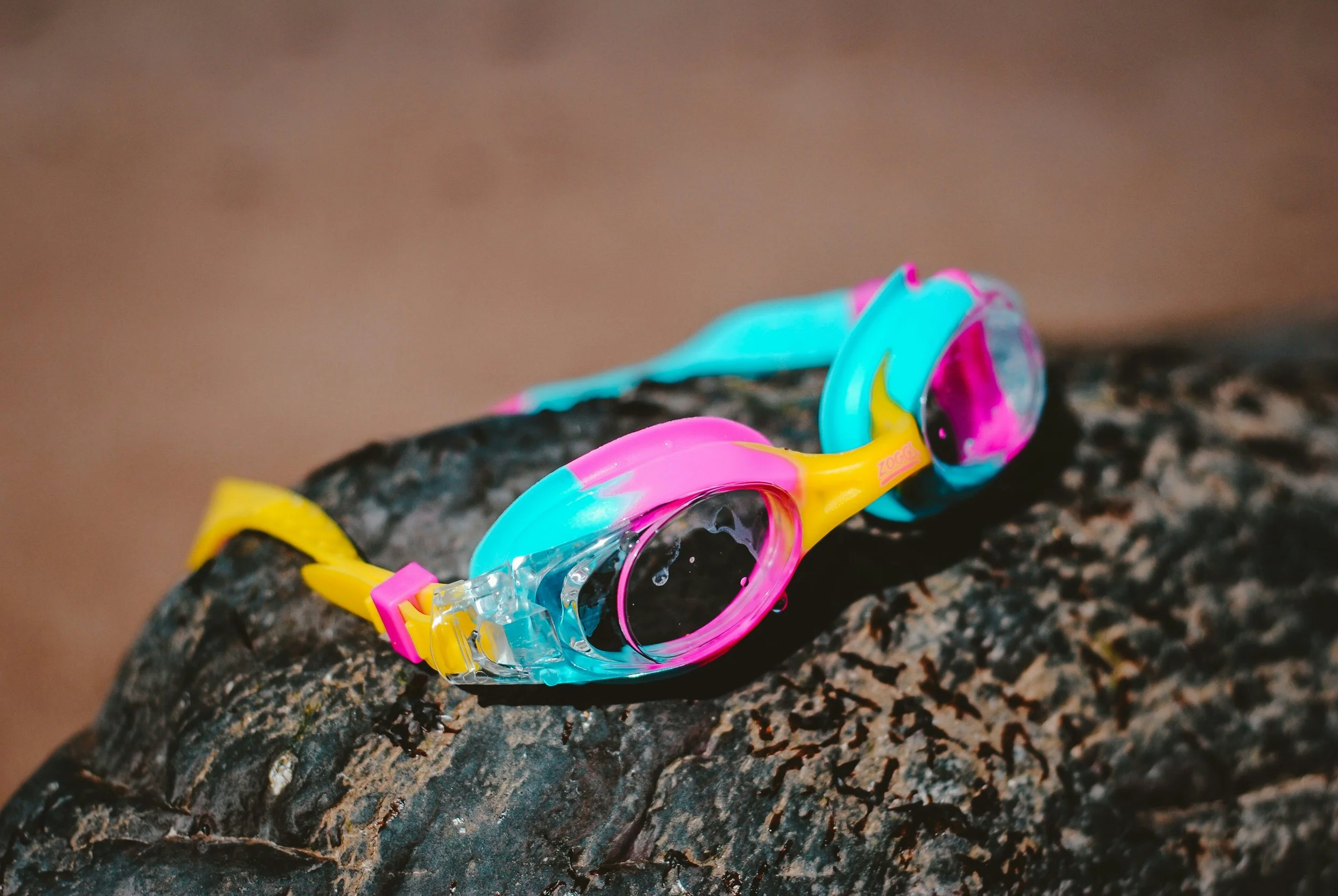
Goggles: your child will be trained to swim with and without goggles. Opening eyes underwater is necessary to be able to swim to safety in case of an accident. Goggles are provided (to keep) at your first lesson or you can bring your own.
Towel: bring a towel to dry off after the lesson.
During Lessons:
Getting used to the water is part of the process: students may be hesitant or cry before getting in the water or when getting their face wet. Our highly trained coaches will help them learn to overcome any of their hesitations. It is important to understand that these common emotional reactions are the result of not knowing what to do in the water versus being truly afraid of it. Students will never be asked to do anything they do not know how to do or have not been shown. If your child has a history of refusing to get their face wet, we can help coach you and your child on how to overcome this hesitation. Just let us know you need help!
Be your child’s #1 cheerleader! A positive attitude will help students become comfortable in the water faster. Most caregivers choose to sit poolside and observe. However, accompanying adults are welcome to get in the water as well, and may be asked to join in the water if it could expedite the student’s progress.